Blog
Samsung Stock And 2 Global Brands Facing Fresh Tariff Pressure

New US tariffs on imports from more than 60 economies are reshaping the risk profile for many global stocks, especially those built on complex cross border supply chains. Higher duties, possible retaliation, and added compliance hurdles can all eat into margins and unsettle earnings expectations. For investors, that can mean additional reasons to reassess which multinational companies might carry more risk than their share price suggests. This article looks at 3 stocks exposed to the latest tariff shock, each facing potential pressure rather than clear upside, to help you consider whether these trade driven headwinds fit your risk tolerance.
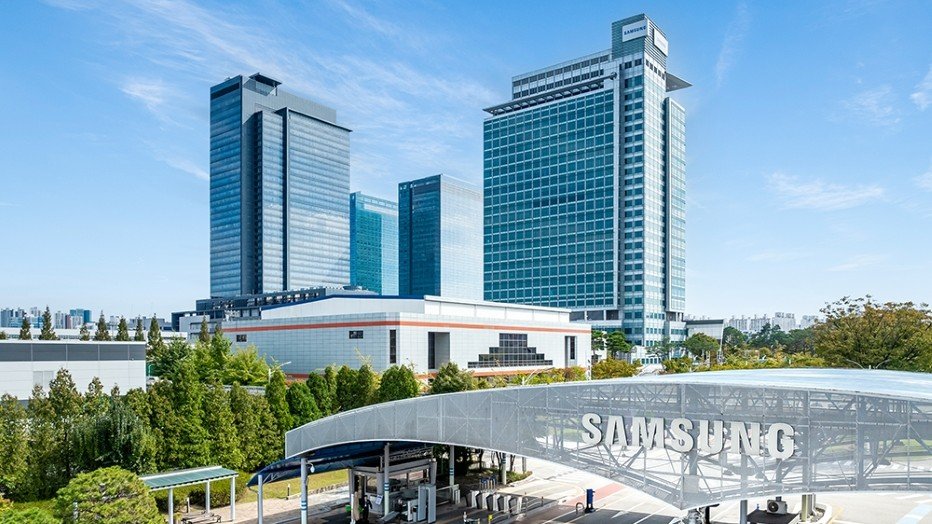
Samsung Electronics (KOSE:A005930)
Overview: Samsung Electronics is a global technology company that sells smartphones, TVs, home appliances and other consumer devices, while also supplying memory chips, displays and other components that power data centers, AI hardware and connected cars. Alongside its hardware, it runs businesses in software, cloud services, venture investing and connected services for both consumers and enterprises.
Operations: Samsung Electronics generates most of its ₩393.8b in segment revenue from Device Experience (₩188.9b) and Device Solutions (₩186.7b), with smaller contributions from SDC (₩30.7b) and Harman (₩16.2b), and has meaningful exposure to America (₩162.8b), China (₩66.5b) and Europe (₩55.0b).
Market Cap: ₩1,582.9t
Samsung Electronics may screen as inexpensive after a steep share price fall and a valuation that appears well below some estimates of fair value. However, the picture can be more complicated for investors focused on tariff risk. A business that leans heavily on exports to the US and complex global supply chains now faces the possibility of fresh tariffs, higher administrative costs and potential retaliatory trade measures that could affect margins at a time when capital spending on memory capacity and AI chips is significant. In addition, litigation over memory products and board turnover introduce governance and legal uncertainties. Together, valuation, trade headwinds and execution risks may be important considerations for investors who are only looking at the headline discount.
Samsung Electronics appears inexpensive, but its dependence on exports, exposure to tariffs and substantial chip investment could be masking deeper pressure on returns. Get the full picture in the DCF valuation analysis for Samsung Electronics
Precidian ETFs Trust – Toyota Motor Corporation ADRhedged (TMH)
Overview: Precidian ETFs Trust – Toyota Motor Corporation ADRhedged is an exchange traded fund that uses derivatives such as swaps to give US investors exposure to Toyota, targeting Japanese auto and consumer related stocks while hedging currency movements between the yen and the US dollar.
Market Cap: $1.45b
Precidian ETFs Trust – Toyota Motor Corporation ADRhedged may appeal to investors who want targeted exposure to Toyota with currency hedging, but the tariff story makes it more complex. New US duties on imports from key trading partners raise the risk of higher costs and supply chain disruption for an exporter that relies heavily on vehicle and parts shipments to the US. At the same time, TMH itself is still unprofitable and has a Return on Equity of 0%. Limited public history, gaps in valuation and governance data, and a funding base built entirely on higher risk external borrowing all add to the uncertainty, even though the fund recently lifted its quarterly dividend payout.
Tariff pressure, an unprofitable TMH structure and a 0% Return on Equity suggest that investors in Precidian ETFs Trust – Toyota Motor Corporation ADRhedged may be missing key context in the analysis report for Precidian ETFs Trust – Toyota Motor Corporation ADRhedged

Procter & Gamble (PG)
Overview: Procter & Gamble is a global consumer goods company that sells everyday household and personal care brands such as Tide, Ariel, Pampers, Gillette, Oral-B, Olay and Vicks through supermarkets, e-commerce, pharmacies and other retailers worldwide.
Operations: Procter & Gamble generates most of its revenue from Fabric & Home Care at US$30.27b, followed by Baby, Feminine & Family Care at US$20.45b, Beauty at US$15.78b, Health Care at US$12.42b, Grooming at US$6.90b and Corporate at US$0.90b.
Market Cap: US$342.23b
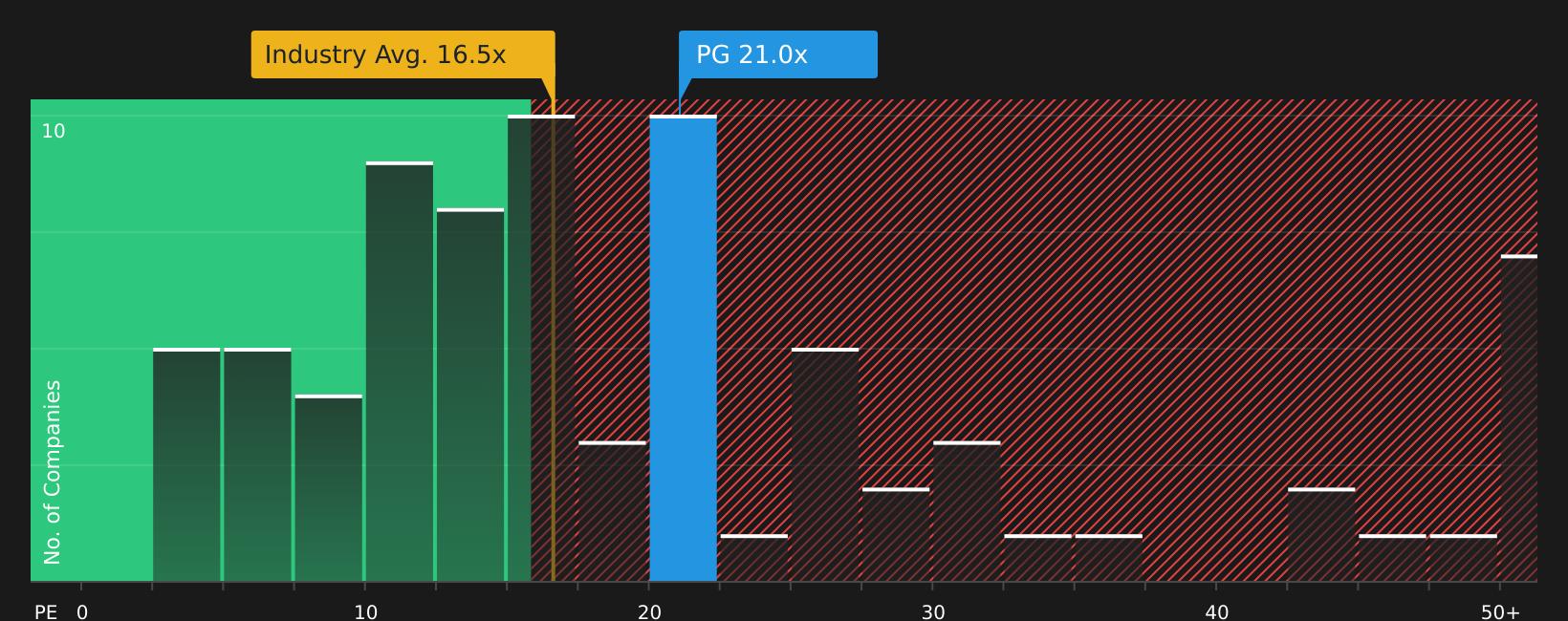
Procter & Gamble is often viewed as a classic defensive stock, with a wide moat rating, high quality earnings, strong ROE and a long record of dividend growth. However, tariffs and input cost pressures are quietly affecting that profile. Management has flagged US$1b to US$1.5b in extra tariff related costs, roughly 3% of cost of goods sold, and is already discussing pricing moves and product changes that could test consumer patience in slower growth categories. At the same time, revenue growth expectations are described as being in the low single digits, while the P/E remains above the sector average and analysts have recently trimmed earnings estimates. This leaves investors to weigh a relatively rich valuation against rising trade and debt related risks that may not be fully reflected in the headline story.
Procter & Gamble’s rich P/E and tariff bill of up to US$1.5b could be masking where the real pressure lands next, so many investors are skipping the analysis report for Procter & Gamble
Take Control of Your Investment Journey
If Samsung Electronics or any of these companies are making you feel more cautious, register for FREE with Simply Wall St and add your companies to a Watchlist to monitor the share price against the fair value and track any new developments as they happen.
Once you’ve made your move, manage your holdings with our Portfolio Command Center that filters out the noise to deliver only the most critical, actionable updates.
Throughout your journey, our Community allows you to filter the best ideas from thousands of investor perspectives.
By uncovering hidden catalysts and risks early, you’ll accelerate your decision-making and stay one step ahead of the market.
Seeking Alternatives Before The Crowd Moves?
Fresh ideas do not stay under the radar for long. Spot where momentum could be building or dropping while it still matters, then get in early.
- Track dependable income opportunities and stress test your payout expectations with a curated set of 458 dividend fortresses that aim to keep cash flows front and center.
- Spot early movers in automation and factory technology by scanning the curated 34 robotics and automation stocks before those trends are fully priced in by the wider market.
- Position ahead of potential infrastructure build outs by reviewing the hand picked 35 power grid technology and infrastructure stocks while these grid upgrades are still flying mostly under the radar.
This article by Simply Wall St is general in nature. We provide commentary based on historical data
and analyst forecasts only using an unbiased methodology and our articles are not intended to be financial advice. It does not constitute a recommendation to buy or sell any stock, and does not take account of your objectives, or your
financial situation. We aim to bring you long-term focused analysis driven by fundamental data.
Note that our analysis may not factor in the latest price-sensitive company announcements or qualitative material.
Simply Wall St has no position in any stocks mentioned.
New: Manage All Your Stock Portfolios in One Place
We’ve created the ultimate portfolio companion for stock investors, and it’s free.
• Connect an unlimited number of Portfolios and see your total in one currency
• Be alerted to new Warning Signs or Risks via email or mobile
• Track the Fair Value of your stocks
Try a Demo Portfolio for Free
Have feedback on this article? Concerned about the content? Get in touch with us directly. Alternatively, email editorial-team@simplywallst.com