Blog
The Future Of Skincare Is About Ageing Well, Not Looking Younger | Beauty News
Last Updated:
Skin longevity is reshaping skincare in 2026. Dermatologist Dr. Varshini Reddy explains why prevention, personalised care and skin health are replacing the old anti-ageing approach




The New Luxury in Skincare? Learning to Age Well
For years, skincare and aesthetics were largely about correction. Wrinkles appeared, so they were treated. Pigmentation became visible, so it was targeted. Acne left scars, so resurfacing and other interventions were brought in. The conversation around ageing was, for the most part, about fixing what had already happened.
Today, that philosophy is beginning to shift. The growing focus on skin longevity reflects a more proactive approach to ageing, one that prioritises protecting, preserving and maintaining skin health before concerns become pronounced. Rather than trying to stop ageing, the idea is to help skin remain healthy, resilient and functional for as long as possible.
“Longevity is not about trying to stop the ageing process; it is about helping the skin remain healthy, resilient and functional for as long as possible,” says Dr Varshini Reddy, Consultant Dermatologist, Glow Skin Beauty Wellness, Hyderabad.
For her, maintaining collagen, protecting the skin barrier, supporting skin health and minimising cumulative environmental damage are central to this approach.
What Does Skin Longevity Actually Mean?
Skin ageing is influenced by both intrinsic factors, the biological changes that happen naturally over time and external factors such as ultraviolet exposure, pollution and lifestyle.
Collagen production changes with age, the skin’s ability to retain moisture can decline, pigmentation may become uneven and the barrier can become more vulnerable. But these changes do not happen overnight.
That is where the concept of longevity becomes relevant. Instead of waiting for pronounced wrinkles, laxity, pigmentation or textural changes and then attempting to correct them, the focus shifts towards preserving skin quality throughout the ageing process.
“Maintaining collagen, protecting the skin barrier and minimising cumulative environmental damage are all part of this approach,” explains Dr. Reddy.
In practical terms, that means prevention can begin with something as basic as daily sun protection and an appropriate skincare routine, long before a person considers an aesthetic procedure.
Prevention Does Not Mean Doing More
There is, however, an important distinction between preventative skincare and preventative aesthetics. The first is about protecting the skin and maintaining its health. The second can easily become a reason to start pursuing procedures earlier and more frequently.
But skin longevity is not synonymous with doing more. In fact, the philosophy increasingly favours subtle, strategic interventions rather than dramatic correction.
According to Dr Reddy, patients are becoming more informed and increasingly looking for treatments that appear natural, involve minimal downtime and remain compatible with long-term skin health.
“The philosophy is moving away from dramatic, one-time correction towards subtle, strategic interventions that help preserve skin quality over time,” she says.
That distinction is important. Prevention should not become another reason to medicalise normal ageing.
The Basics Still Matter Most
For all the excitement around new technology, some of the most important principles of skin longevity remain surprisingly familiar.
Protecting skin from excessive ultraviolet exposure, maintaining the skin barrier, avoiding smoking and using evidence-based skincare consistently can all contribute to long-term skin health.
A dermatologist may recommend ingredients such as retinoids, antioxidants or other actives depending on an individual’s skin type and concerns. But there is no universal longevity routine.
The objective is not to accumulate products. It is to build a routine that can actually be maintained over years.
Why Personalised Skin Care Is Becoming More Important
One of the biggest changes in modern dermatology is the move away from a one-size-fits-all approach.
Two people of the same age can have completely different skin concerns depending on genetics, skin type, sun exposure, lifestyle, hormones and existing dermatological conditions.
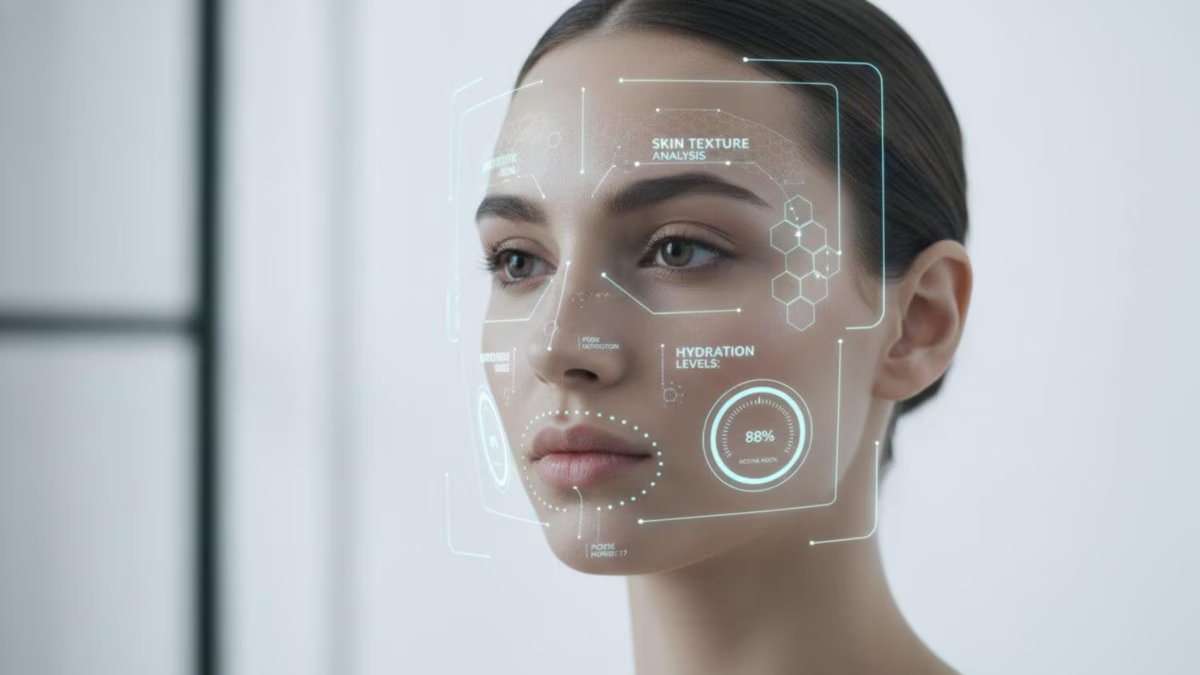
Dr Reddy believes advances in skin diagnostics are making it increasingly possible to understand these individual differences.
“Modern dermatology is becoming increasingly personalised,” she says, pointing to advances in skin diagnostics that can help clinicians assess individual characteristics and concerns more precisely.
Measurements related to hydration, elasticity, pigmentation and texture are becoming increasingly sophisticated, allowing treatment plans to be tailored not simply to a person’s age, but to the condition and needs of their skin.
The result is a more targeted approach: identify what needs attention, determine what does not, and avoid treating problems that aren’t actually there.
The Rise of AI-Powered Skin Analysis
The personalisation trend is also extending beyond traditional dermatological assessment.
AI-based facial analysis and advanced imaging technologies are increasingly being explored to understand skin characteristics and track changes over time.
Dr Reddy also points to the growing role of wearable technology, which can provide information about factors such as sleep quality and heart-rate variability. These measurements don’t directly diagnose skin ageing, but they can provide a broader picture of lifestyle and wellbeing that may influence skin health.
There is also increasing interest in biomarkers associated with biological ageing, including DNA methylation and other measures of biological age.
However, these remain emerging areas. They should be viewed as developments in preventative health research rather than definitive tools that can tell someone exactly how old their skin is.
What is becoming clearer is that the future of skincare may be increasingly data-informed and personalised.
Where Do Lasers Fit Into Skin Longevity?
Lasers and other energy-based technologies remain an important part of the modern aesthetic toolkit. Depending on the technology and the concern being treated, they can address early photodamage, pigmentation and textural changes while supporting collagen remodelling.
The longevity approach changes the timing and philosophy rather than eliminating these technologies.
Instead of waiting until photodamage becomes extensive, appropriately selected treatments may help address certain concerns earlier and more gradually.
But this does not mean everyone needs regular laser treatments. Dr Reddy stresses the importance of individualisation, with treatment choices depending on the person’s skin, lifestyle, age and long-term goals.
The guiding principle is therefore not “start treatments as early as possible.” It is “make informed decisions before problems become unnecessarily difficult to manage.”
What About Biostimulators, PDRN, Exosomes and Peptides?
This is where the skin-longevity conversation becomes particularly current. Treatments and ingredients designed to support collagen, skin quality and regenerative processes are attracting significant attention. Biostimulators, peptides, PDRN and exosome-based approaches are increasingly discussed within aesthetics and wellness.
Dr Reddy notes that “biostimulators, collagen-boosting treatments and targeted bioactives such as PDRN, exosomes and peptides are opening new possibilities for personalised skincare and wellbeing.”
But enthusiasm should be accompanied by scrutiny.
These are not all equivalent treatments, and the evidence behind them varies. Some approaches remain areas of active research, while clinical protocols, product quality and regulatory frameworks can differ significantly.
For consumers, the longevity mindset should therefore include better questions, not simply more treatments: What is the evidence? What is the indication? What are the risks? Is this appropriate for my skin? A new treatment is not automatically a better treatment.
Is the Aesthetic Industry Moving Away From the “Frozen” Look?
There is another cultural shift happening alongside the medical one. Patients are increasingly asking for results that preserve facial movement and individuality rather than dramatically changing their appearance. Natural-looking outcomes, shorter downtime and gradual improvements are becoming more attractive than visibly transformative procedures.
That fits neatly into the skin-longevity philosophy.
The aim is to maintain skin quality and support the face’s natural appearance rather than repeatedly correcting individual signs of ageing as they emerge.
In this sense, the most successful aesthetic treatment may increasingly be the one that is difficult to identify as a treatment at all.
Does Skin Longevity Mean Starting Procedures Earlier?
Not necessarily. This is perhaps the most important distinction for consumers.
A person in their 20s does not automatically need an aesthetic treatment plan simply because longevity has become a skincare trend. Preventative care can be relatively simple: sun protection, appropriate skincare, good lifestyle habits and professional advice when a genuine skin concern appears.
Likewise, someone in their 40s or 50s does not necessarily need every collagen-stimulating treatment available. Personalisation means knowing when to intervene and when not to.
As Dr Reddy puts it, the objective is not to fight ageing but to “age well, with healthy, resilient and naturally beautiful skin.”
What Does a Skin-Longevity Routine Actually Look Like?
For most people, the foundation is considerably less complicated than the aesthetics industry sometimes makes it appear.
Protect the skin. Daily broad-spectrum sunscreen and sensible UV protection remain fundamental.
Support the barrier. Avoid excessive cleansing and over-exfoliation, particularly if the skin is dry, irritated or sensitive.
Choose evidence-based actives. Ingredients such as retinoids and antioxidants can have a role for some people, but the right choice depends on individual skin and tolerance.
Address concerns early. Persistent acne, pigmentation, inflammation or unusual skin changes deserve proper dermatological assessment rather than endless experimentation.
Treat selectively. Lasers, energy-based treatments and other procedures should be chosen according to the individual’s concerns, skin type and medical history.
Think in years, not weeks. A consistent, sustainable routine is more valuable than constantly moving from one trend to another.
Is Prevention the New Luxury?
Perhaps this is where the concept of skin longevity becomes most interesting. Luxury skincare has traditionally been associated with rare ingredients, expensive products and increasingly sophisticated procedures. But the next definition of luxury may be more understated.
It may be access to better information, better diagnostics, personalised care and the discipline to start early rather than wait for problems to become pronounced.
Dr Reddy believes this is ultimately about changing the relationship people have with ageing. The goal is not to chase every new treatment or attempt to erase every sign of time. It is to understand the skin, protect it consistently and intervene intelligently when intervention adds genuine value.
Perhaps, then, prevention really is the new luxury, not because it means doing more, but because it means starting earlier, choosing wisely and investing consistently in the long-term quality of your skin.
The future of skincare may not be about looking younger at any cost. It may simply be about having healthier, more resilient skin for longer and learning to age well.
Key Questions Answered
 Ask News18
To start a skin longevity routine, focus on prevention, personalised care, and overall skin health. This involves protecting and preserving skin health before issues become prominent. Key aspects include maintaining collagen, protecting the skin barrier, supporting skin health, and minimising environmental damage. For most people, this means sun protection, appropriate skincare, good lifestyle habits, and professional advice for genuine skin concerns.
Ask News18About the Author

Swati Chaturvedi is a seasoned media professional with over 13 years of experience in journalism, digital content strategy, and editorial leadership across top national media houses. An alumna of Lady…Read More
August 23, 2026, 12:44 IST